
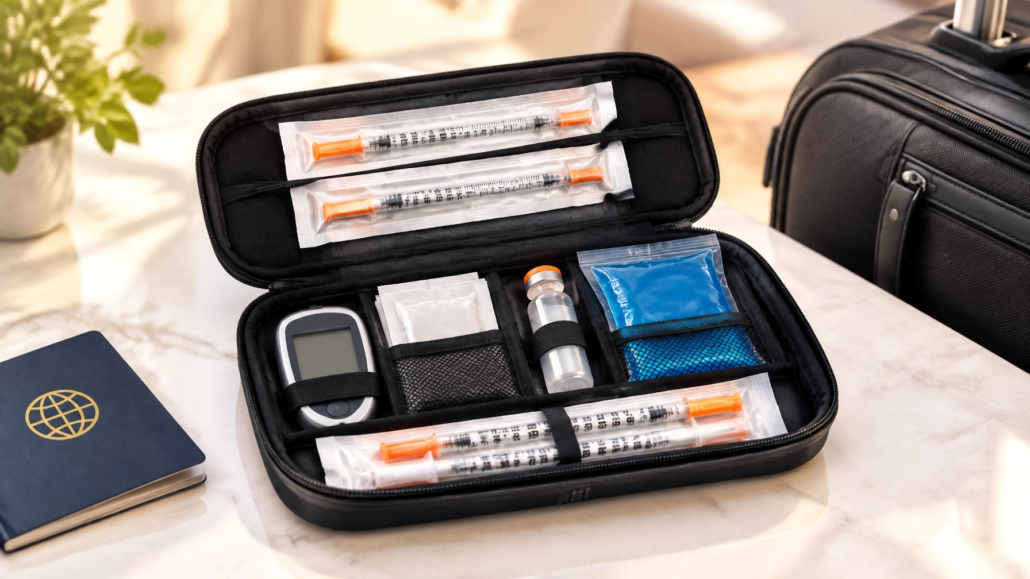
Insulin Syringe Carry Case Guide: How to Keep Your Diabetes Supplies Safe on the Go
Managing diabetes away from home is easier when your supplies are protected, organized, and ready when you need them. The right insulin syringe carry case can help keep essential items together, reduce the chance of damage or mix-ups, and make daily routines and travel more manageable.
At Budget Medical Supply, we have been a trusted partner since 2001, helping people find reliable, affordable medical supplies for home and on the go. This guide covers what to look for in a case, how to think about temperature and organization, and what to know before flying with insulin and syringes.
1. What an insulin syringe carry case can, and cannot, do
A carry case provides a dedicated place for your insulin syringes and related diabetic supplies. Depending on its construction and layout, it may help shield supplies from everyday bumps, dust, spills, and clutter inside a purse, backpack, or luggage. Compartments can also make it easier to find what you need discreetly.
A case is not a substitute for correct medication storage. Unless its manufacturer specifically states otherwise, do not assume that a case will refrigerate insulin or keep it within a safe temperature range. Insulin storage needs vary by product. Follow the instructions that came with your insulin and ask your pharmacist or clinician if you are unsure.

2. Choose a case for your routine
2.1 Consider size and capacity
Start with what you actually carry. Make a list of the items you use regularly, which may include insulin, sterile syringes, alcohol prep pads, a glucose meter, test strips, lancets, and a small sharps container. If you use a pump or continuous glucose monitor, consider the additional supplies and backup items you may need.
A compact case may suit short outings, while longer days or travel may call for extra space. Look for secure closures, durable construction, and compartments that keep items from shifting. A case that is too small may force supplies together; one that is unnecessarily large can be harder to carry and keep track of.
2.2 Make organization and labeling practical
Separate unused syringes from other items and keep them protected in their packaging until needed. Use designated pockets for meter supplies and prep pads, and keep medication labels or prescription information accessible, especially when traveling.
If more than one person in your household uses diabetes supplies, consider clear labels that identify the intended user and item. Do not rely on color alone to distinguish medications or doses. Always check the medication and syringe before use.
For help selecting the syringe itself, read our earlier guide, “How to Choose the Right Insulin Syringe (Gauge, Length & Capacity, Compared)”. Syringe capacity, markings, and needle specifications should match your prescription and clinician’s directions.

3. Understand insulation and temperature needs
An insulated insulin syringe carry case may help buffer supplies from short-term changes in surrounding temperature, but insulation alone does not control temperature. If your insulin requires cooling, use a cooling method that is suitable for your product and follow its instructions carefully.
The FDA’s insulin storage guidance explains that many insulin products are stored refrigerated at approximately 36°F to 46°F (2°C to 8°C) before use, while allowed room-temperature storage periods vary by product. The FDA also warns not to use insulin that has been frozen and advises keeping it away from direct heat and sunlight.
If you use a gel pack, place it so insulin does not sit directly against a frozen surface. Avoid leaving your case in a hot car, in direct sun, or somewhere it may freeze. When insulin is exposed to extreme temperatures, or you are uncertain whether it remains suitable, contact your pharmacist or the insulin manufacturer for product-specific advice. Do not make a medication decision based on the appearance of the case alone.
4. Flying with insulin and syringes
Plan to keep your insulin and essential diabetes supplies in your carry-on bag, where they are accessible and less exposed to the temperature conditions and delays that can affect checked luggage. Check current airport, airline, and destination requirements before departure.
The TSA’s insulin supplies guidance permits insulin supplies in carry-on and checked bags, with special instructions for screening. TSA states that unused syringes are permitted when accompanied by injectable medication; travelers should declare them to security officers for inspection. Medication labels are recommended to facilitate screening, though TSA says they are not required. Used syringes must be transported in a sharps disposal container or another similar hard-surface container, according to the TSA guidance for used syringes.
For a smoother checkpoint process:
- Pack supplies together and keep them accessible. Use your case to organize your medication, syringes, and related items.
- Tell the TSA officer that you are carrying medically necessary supplies and follow their screening instructions.
- Carry enough supplies for your trip, plus a reasonable backup. Consider possible delays and the time required to reach a pharmacy.
- Check other requirements in advance. International destinations and transit points may have rules that differ from TSA screening procedures.
TSA’s final decision rests with the screening officer. Rules and procedures can change, so verify the current information before you travel.

5. Make everyday carrying easier
For errands, work, or appointments, choose a case that fits comfortably in your usual bag and closes securely. Before leaving, check that the supplies you expect to need are present and that syringes remain protected. At home, store the case in a consistent, accessible location that follows your medication’s storage instructions.
For longer outings, consider whether you need backup supplies, a glucose meter, and a safe option for used sharps. A portable case can support an established care routine, but it does not replace your prescribed treatment plan or professional advice.
6. Clean the case and replace supplies responsibly
Clean your case according to its care instructions. If the manufacturer permits it, wipe interior and exterior surfaces with a suitable cleaner and let them dry fully before repacking. Do not soak or machine-wash a case unless its instructions specifically allow it. Replace a case if its closure fails, lining tears, compartments no longer protect supplies, or it cannot be cleaned effectively.
Check supplies regularly for damaged packaging, expiration dates, or other product-specific concerns. Follow the directions provided for syringes and never place used needles loose in a case, household trash, or a bag. Use an appropriate sharps container and follow local disposal guidance.
7. Find supplies and support
The right case is only one part of a reliable diabetes routine. Budget Medical Supply offers a broad range of diabetic supplies, including insulin syringes and carry cases, alongside daily living aids, mobility equipment, and allergy management products. You can browse medical supplies online and review options such as the D.I. Insulin/Syringe Carry Case and Medicool Insulin Traveling Case. Confirm current product details and availability before ordering.
We offer competitive pricing, fast shipping via USPS and FedEx, and flexible payment options through Klarna and Affirm, subject to applicable checkout terms. Our team is here to help you find supplies that fit your needs. Visit our contact page with questions.
This article is for general informational purposes and does not replace instructions from your healthcare professional, medication labeling, or official travel guidance. Product requirements and rules may change; unforeseen circumstances beyond our control can also affect travel and delivery. Verify details before relying on them.


