
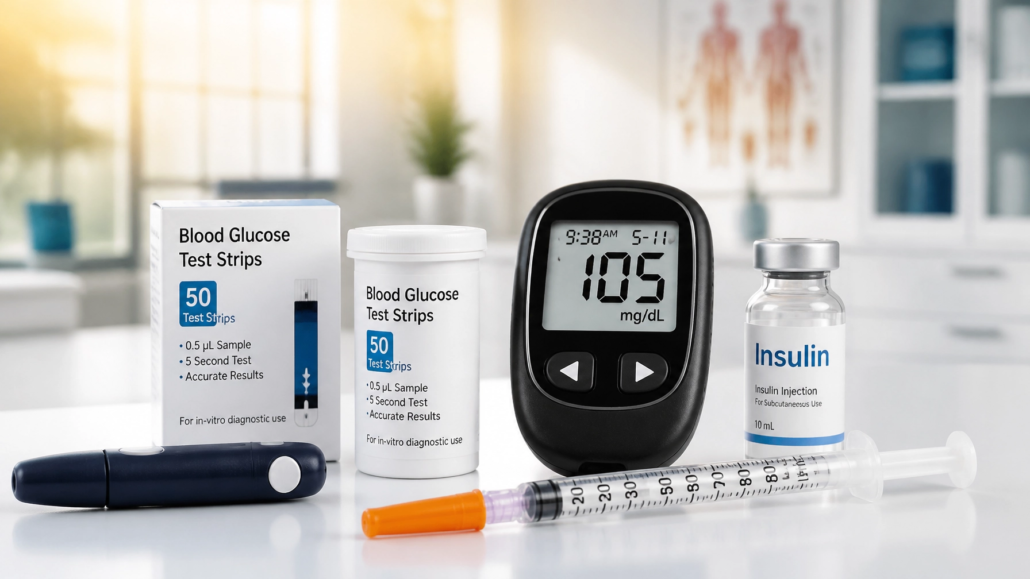
7 Mistakes You’re Making with Your Diabetic Supplies (And How to Fix Them)
At Budget Medical Supply, we have served as a trusted partner in healthcare since 2001. We understand that managing diabetes is a comprehensive, lifelong commitment that requires precision, discipline, and the highest caliber of equipment. However, even the most diligent individuals can fall into routines that inadvertently compromise their health or the efficacy of their diabetic supplies.
The integrity of your medical regimen is paramount. When minor errors in handling or storage occur, they can lead to inaccurate glucose readings, increased risk of infection, or the degradation of life-sustaining medication. In the following sections, we outline the seven most frequent mistakes encountered in diabetic care and provide professional, actionable solutions to rectify them.
1. The Proclivity for Reusing Insulin Syringes and Lancets
A common, yet hazardous, practice is the multiple-use of single-use devices. While it may seem like a minor convenience or a cost-saving measure, the reuse of insulin syringes and lancets poses significant medical risks.
- 1.1 Structural Integrity and Trauma: Manufacturers design these needles for a single insertion. After the initial use, the microscopic tip of the needle becomes dull and may even develop a "hook" shape. This degradation leads to increased tissue trauma, pain, and the potential development of lipohypertrophy (fatty lumps under the skin) which can impair insulin absorption.
- 1.2 Infection Liability: Every time a needle punctures the skin or touches a surface, its sterility is compromised. Reusing these implements introduces bacteria directly into your subcutaneous tissue, significantly elevating the risk of localized infections or abscesses.
The Solution: Always utilize a fresh, sterile syringe or lancet for every single injection or finger prick. At Budget Medical Supply, we offer a vast inventory of high-quality insulin syringes to ensure you never have to compromise your safety.
2. Improper Storage and Environmental Exposure of Insulin
Insulin is a delicate biological protein that is highly sensitive to temperature fluctuations and light exposure. Failure to maintain the proper environment can render the medication inert.
- 2.1 Temperature Extremes: Exposing insulin to direct sunlight or leaving it in a vehicle can cause it to lose potency rapidly. Conversely, allowing insulin to freeze is equally detrimental; frozen insulin must be discarded immediately, as the molecular structure is permanently altered.
- 2.2 The Refrigeration Standard: Unopened vials and pens should ideally be stored in a refrigerator between 36°F and 46°F (2°C to 8°C). Once opened, many types of insulin may be kept at room temperature for a limited duration: typically 28 days: but must be kept away from heat sources.
The Solution: Implement a strict storage protocol. Use a dedicated thermometer for your medical refrigeration and utilize insulated travel cases when moving between locations.

3. Neglecting Comprehensive Diabetic Foot Care
For individuals managing diabetes, foot health is not merely a matter of comfort; it is a critical component of preventing long-term complications. Peripheral neuropathy can mask injuries, leading to infections that are difficult to treat.
- 3.1 Inadequate Foot Inspections: Failing to perform a daily visual inspection of your feet can allow minor abrasions, blisters, or redness to escalate into serious ulcers.
- 3.2 Substandard Footwear: Wearing standard hosiery that is too tight can restrict circulation and create friction points.
The Solution: Incorporate a daily "foot check" into your evening routine. Furthermore, the transition to specialized diabetic socks is a necessary investment. These are designed with non-binding tops and seamless toes to minimize pressure and improve blood flow. You can find a premium selection of mobility aids and foot care products on our shop page.

4. Suboptimal Sharps Disposal Procedures
The disposal of used needles and lancets is a matter of both personal safety and public liability. Improperly discarded sharps pose a risk to sanitation workers, family members, and the community.
- 4.1 Regular Trash Disposal: Placing loose syringes in a standard refuse bin is a significant safety violation. Needles can easily puncture plastic bags and cause accidental needle-stick injuries to others.
- 4.2 Using Fragile Containers: Utilizing thin plastic or glass containers for disposal is insufficient. These materials can be easily breached or shattered.
The Solution: Utilize an FDA-cleared sharps container or a heavy-duty, opaque plastic container (such as a laundry detergent bottle) with a secure, screw-on lid. Ensure you follow local regulations regarding the final disposal of these containers once they are three-quarters full.
5. Overlooking Expiration Dates and "Open-Date" Potency
Many patients rely on the official expiration date printed on the packaging of their diabetic supplies. While this date is critical, it is not the only timeline that must be monitored.
- 5.1 The 28-Day Rule: Most insulin vials lose their required caliber of potency 28 to 30 days after the seal is broken, regardless of the expiration date on the box. Using insulin beyond this window can lead to unexplained hyperglycemia.
- 5.2 Expired Test Strips: Using glucose test strips past their expiration date can result in inaccurate readings, leading to incorrect dosing decisions that could be life-threatening.
The Solution: Maintain a transparent record of when each vial or bottle is opened. Use a permanent marker to write the "Discard Date" directly on the label the moment the seal is compromised.
6. Inconsistent Glucose Monitoring and Calibration
Reliable data is the foundation of effective diabetes management. Inconsistent monitoring prevents you and your healthcare provider from identifying critical trends.
- 6.1 Skipping Checks: Neglecting to monitor blood sugar during periods of illness, stress, or dietary changes can lead to dangerous fluctuations that go undetected.
- 6.2 Ignoring Device Maintenance: Glucose monitors require occasional calibration and the use of control solutions to ensure the sensors are rendering accurate data.
The Solution: Establish a rigid schedule for monitoring as prescribed by your medical professional. Ensure your testing equipment is kept clean and that you are using compatible strips and lancets designated for your specific device.
7. Procurement Delays and Supply Chain Mismanagement
One of the most avoidable stressors in diabetic care is the realization that you are down to your final few insulin syringes or test strips without a replacement on hand.
- 7.1 Reactive Ordering: Waiting until your supplies are nearly exhausted before reordering can lead to gaps in care due to unforeseen shipping delays or out-of-stock items.
- 7.2 Financial Barriers: We recognize that the cost of premium healthcare can be a burden, which often leads to "stretching" supplies beyond their intended use.
The Solution: Adopt a proactive procurement strategy. At Budget Medical Supply, we have streamlined the process of purchasing medical supplies online. We offer expedited shipping via USPS and FedEx to ensure your essential tools arrive promptly. To further assist with your financial planning, we provide flexible payment options through Klarna and Affirm, allowing you to secure necessary supplies now and manage payments over time.

Conclusion: Your Partner in Accessible Healthcare
Correcting these seven common mistakes will significantly enhance the safety and efficacy of your daily diabetes management. Our mission at Budget Medical Supply is to provide the reliable, affordable equipment you need to maintain your well-being without compromise.
Whether you require a comprehensive range of diabetic supplies, mobility equipment, or daily living aids, our team is here to support you. Should you have any inquiries regarding our products, shipping timeframes, or payment procedures, we invite you to contact us directly.
Trust in our experience, benefit from our competitive pricing, and let us help you navigate your healthcare journey with confidence and clarity.


